We needed three comic-themed images for our Prompt Recipes and ran them on Magic Art 7.0 first. For the two that needed specific objects, it missed every time. So we ran those subjects again on GPT Image 2 and kept every result, misses included, so you can see where each model is worth your credits.
This isn’t a lab test. Each model got a prompt written in its own style: short, keyword-style prompts for Magic Art and full descriptive sentences for GPT Image 2. All runs were made on 1min.ai on November 15, 2026.
The scorecard
| Test | Magic Art 7.0 | GPT Image 2 |
|---|---|---|
| Round 1: graded slab | 0 of 4 | 1 of 1 ✓ |
| Round 2: comic shop | 0 of 4 | 1 of 1 ✓ (second try) |
| Bonus: Golden Age cover | 4 of 4 ✓ | Not tested |
| Cost per image | 15,000 credits | About 125,000 credits |
| Time per run | About 90 to 100 seconds (4 images) | About 20 to 40 seconds (1 image) |
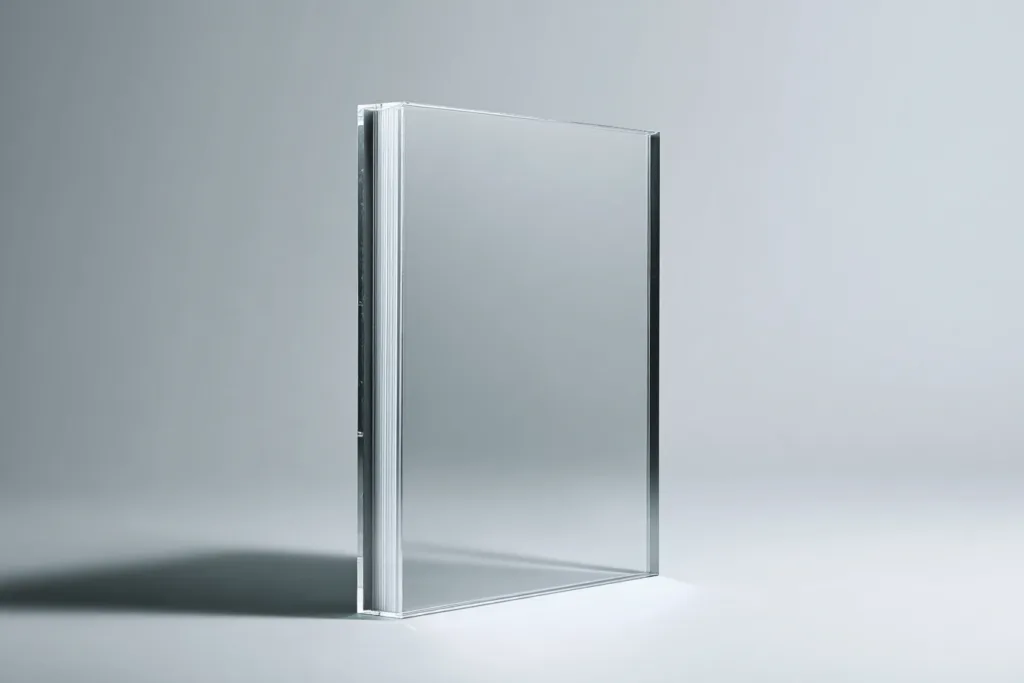
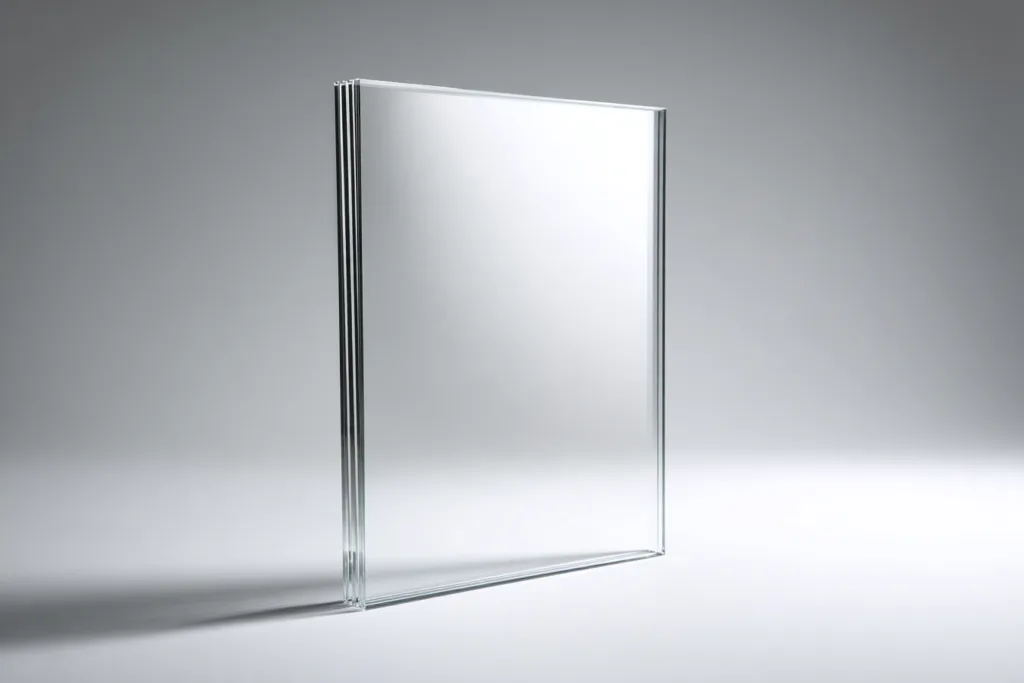
Round 1: The graded slab
The goal: one graded comic sealed in its plastic case, shot like a catalog product photo.
Magic Art 7.0
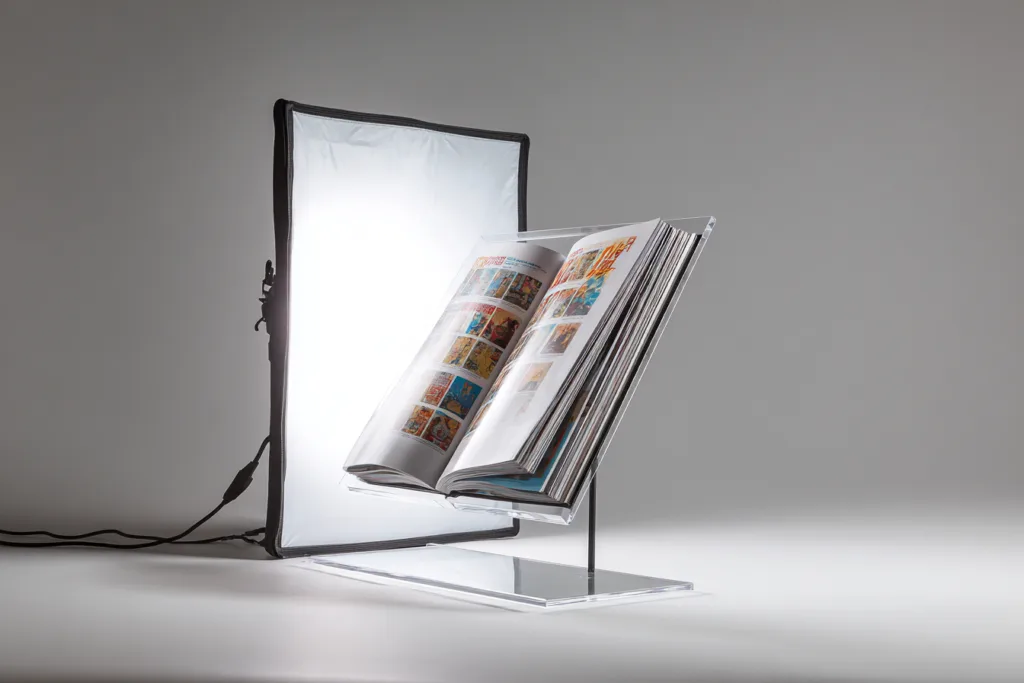
professional studio product photograph of a graded comic book sealed in a glass-like acrylic slab case, standing upright on a seamless light gray backdrop, large softbox key light from the left, soft fill light, crisp reflections on the acrylic, gentle shadow, 100mm macro lens, ultra sharp, commercial catalog style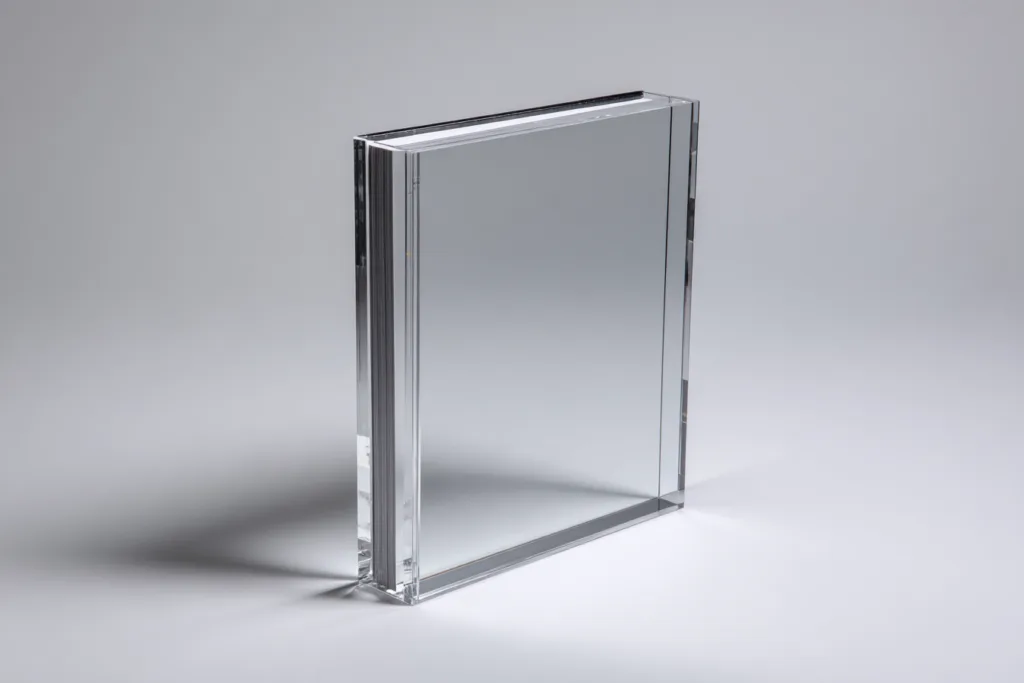
GPT Image 2
Professional studio product photograph of a single comic book encased in a hard clear plastic grading slab, standing upright on a seamless light gray backdrop. The comic inside is an original retro 1960s-style superhero comic titled "THE COMET" in bold red and yellow letters, its full cover art clearly visible through the plastic: a caped hero streaking across a starry night sky. A blank white grading label sits in the top section of the slab above the comic. Large softbox light from the left, soft reflections on the plastic edges, gentle shadow, 100mm macro lens, ultra sharp, commercial catalog style. No brand names, no logos, no watermark, no other text.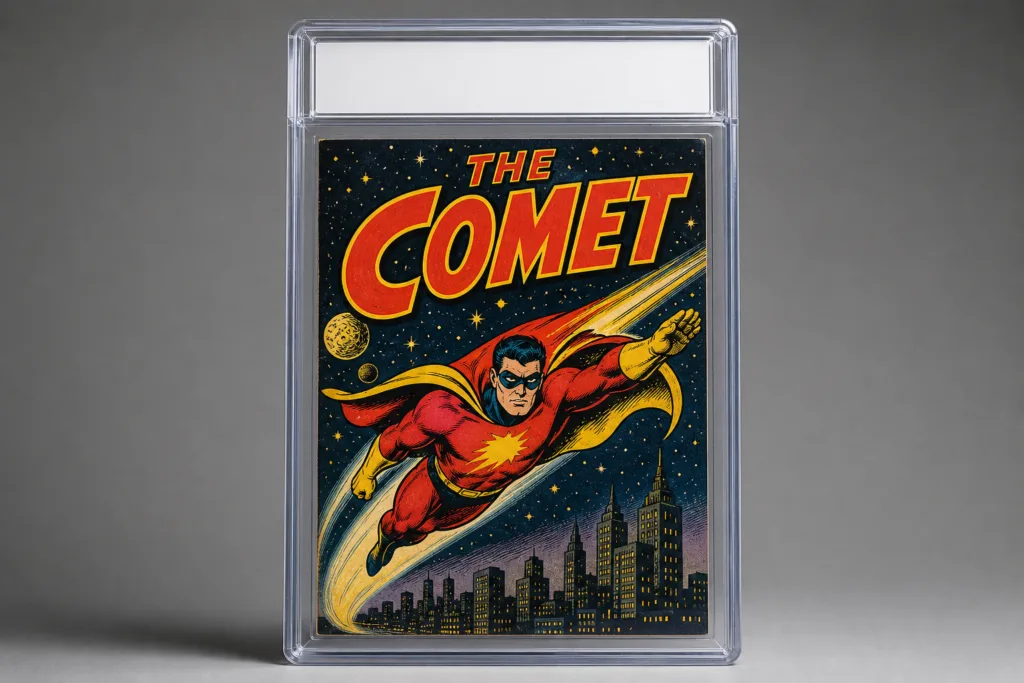
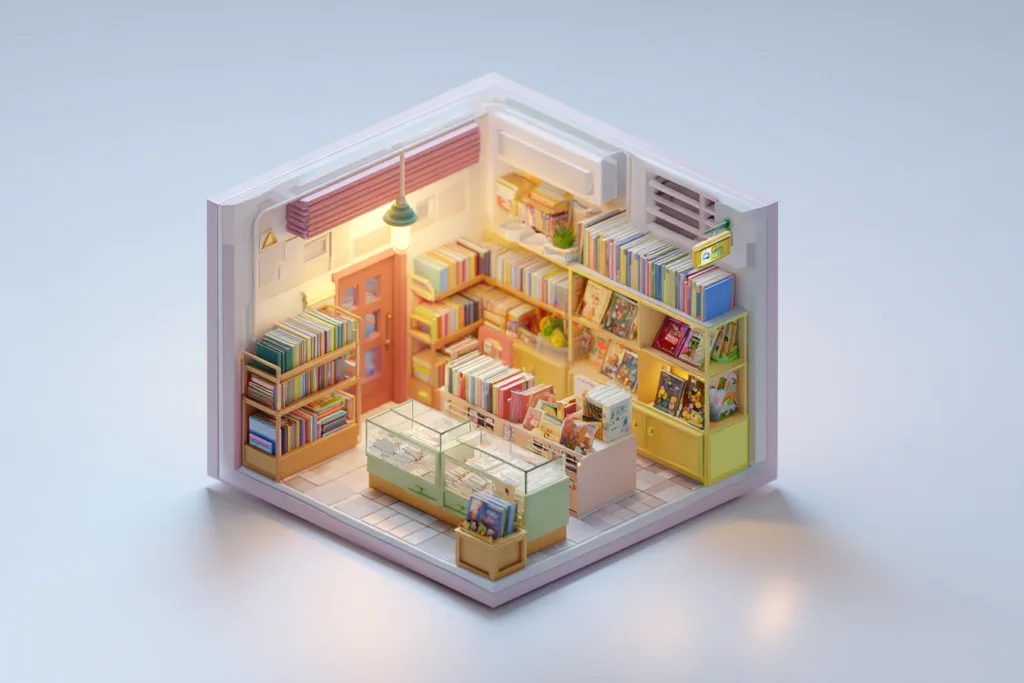
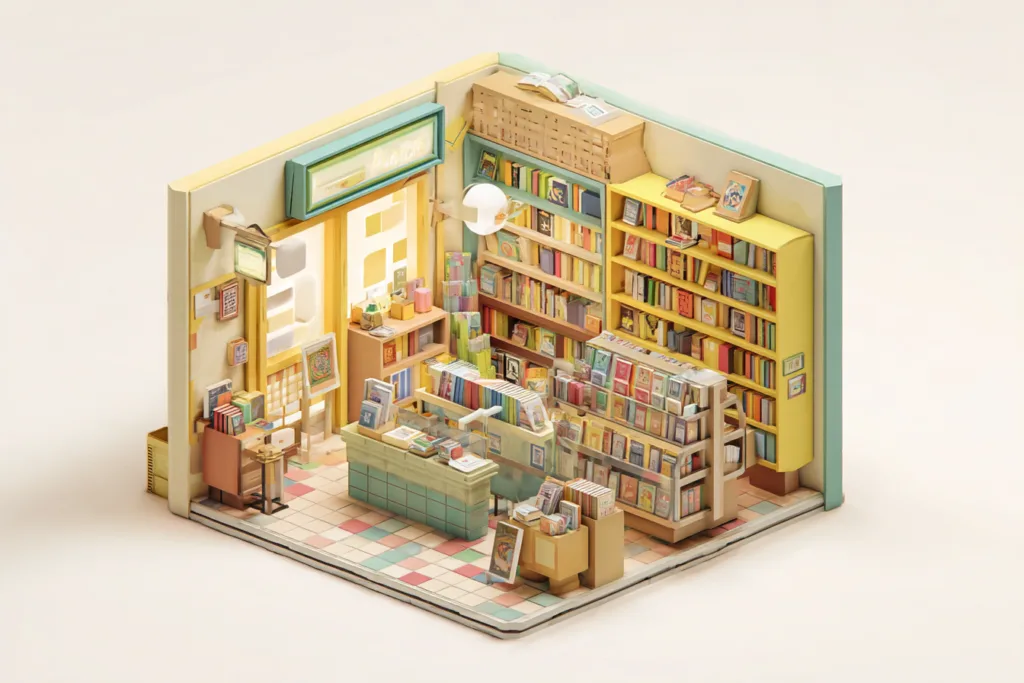
Winner: GPT Image 2. Magic Art locked onto “acrylic” and “product photograph” and drew the most photogenic object it knows: a clear block. GPT Image 2 read the sentence in order, comic first and case second. Bonus trap: Magic Art refuses the words clear and transparent, which makes describing a clear case even harder.
Round 2: The comic shop
The goal: a tiny isometric comic shop that anyone who has been to one would recognize.
Magic Art 7.0
tiny isometric diorama of a cozy comic book shop, cut-away room with shelves of colorful comics, long boxes, a glass counter, warm lamp light, miniature clay shopkeeper figure, soft tilt-shift depth of field, pastel colors, 3D render, clean white background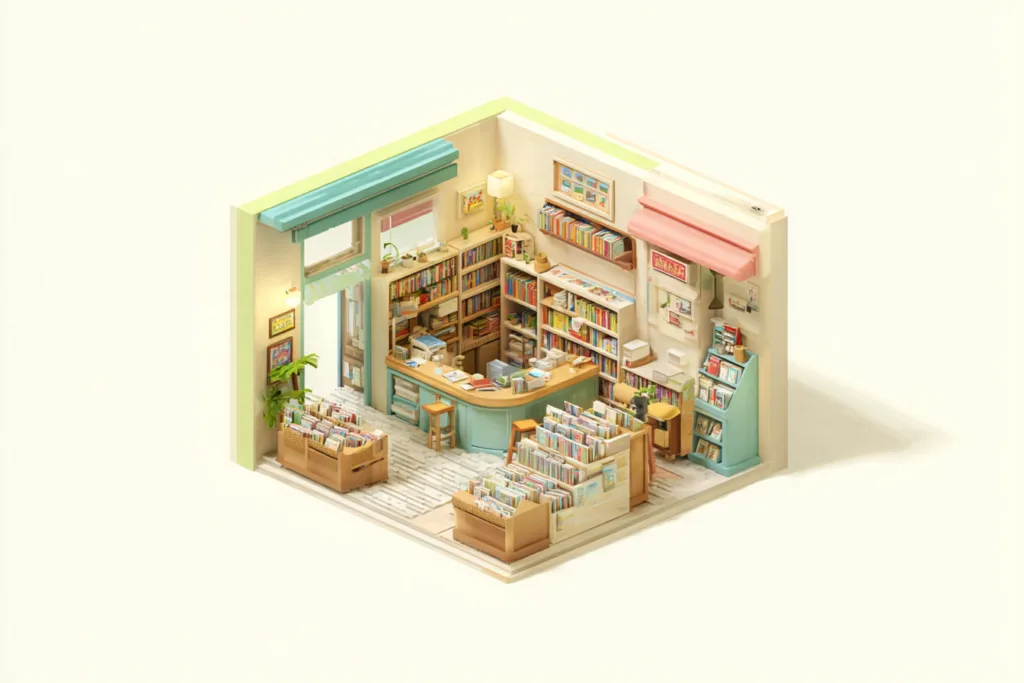
GPT Image 2
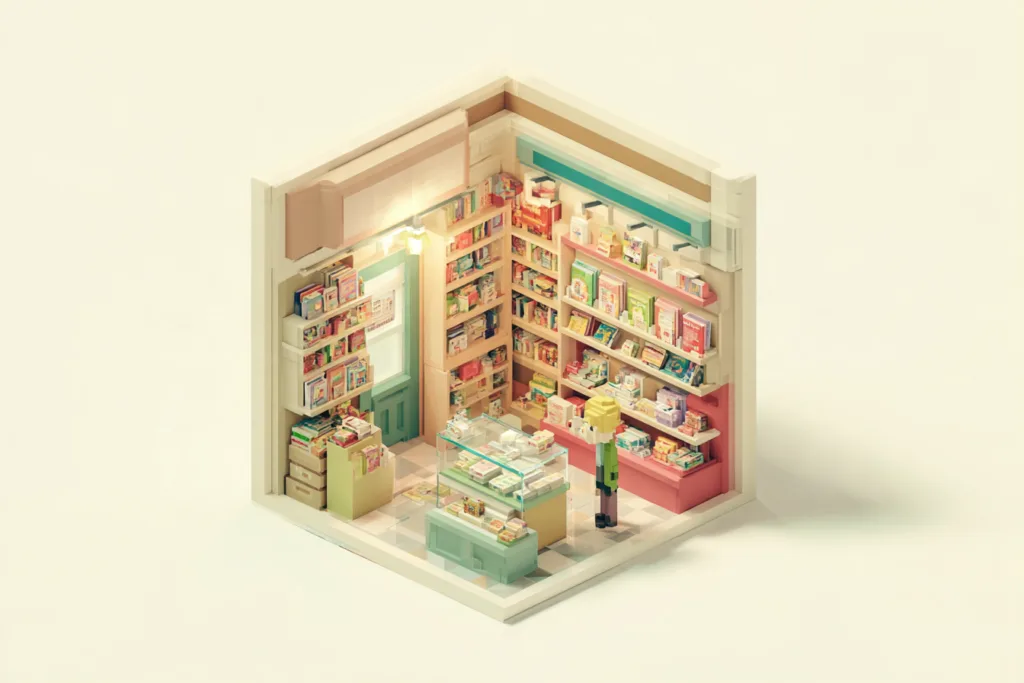
Tiny isometric 3D diorama of a cozy neighborhood comic book shop, cut-away room view. A sign over the door reads "COMICS" and the door has a small "OPEN" sign; the door window is plain glass with no poster. Inside: rotating wire spinner racks packed with colorful comic books, a back wall covered floor to ceiling with comic covers displayed face-out, long white comic storage boxes lined up on wooden tables, a glass display case showing comics in hard plastic grading slabs, generic toy action figures on a shelf, and a miniature clay shopkeeper behind the counter. Warm lamp light, soft tilt-shift depth of field, pastel colors, clean white background. Every comic cover and title is an original invented design; no existing Marvel, DC or other real characters or titles, no brand names, no logos, no watermark.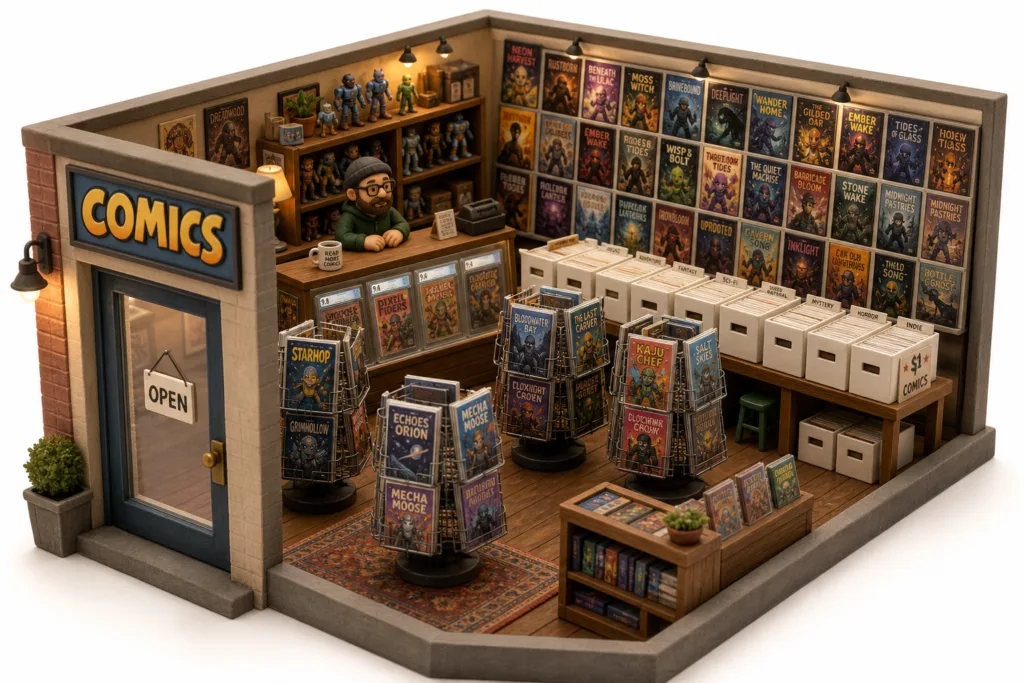
Winner: GPT Image 2, with a warning. Magic Art knows what a cozy shop looks like, not what makes a comic shop different. GPT Image 2 got it, but only after we named every detail. Its first try hung a poster of a real Marvel character on the door, even though the prompt asked for original designs. We reran it and spelled out “the door window is plain glass with no poster.”
Bonus: Where Magic Art wins
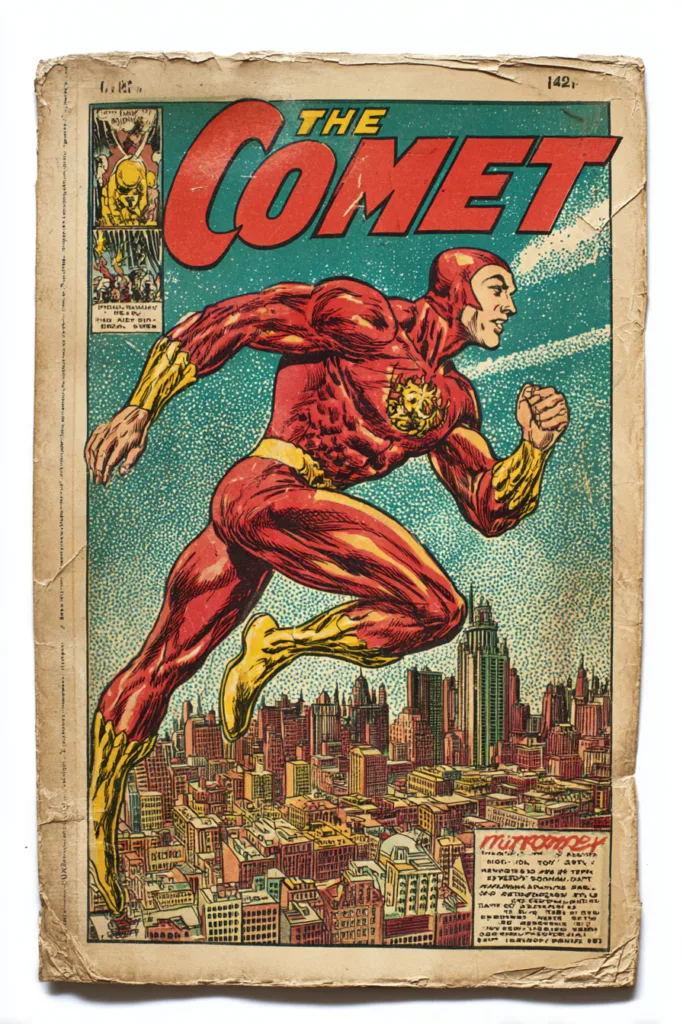
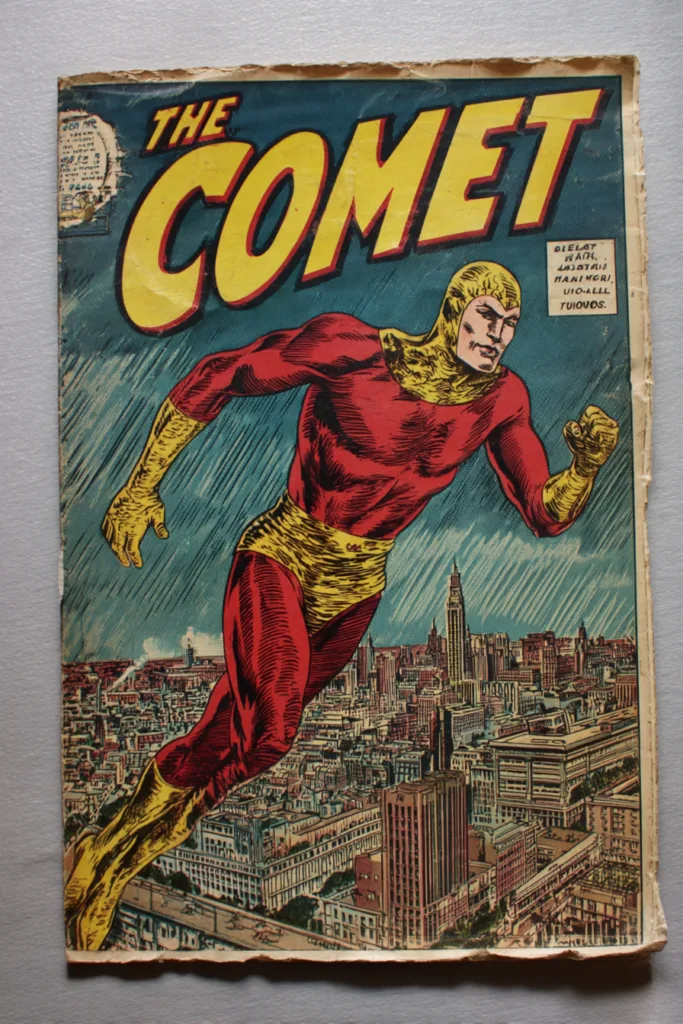
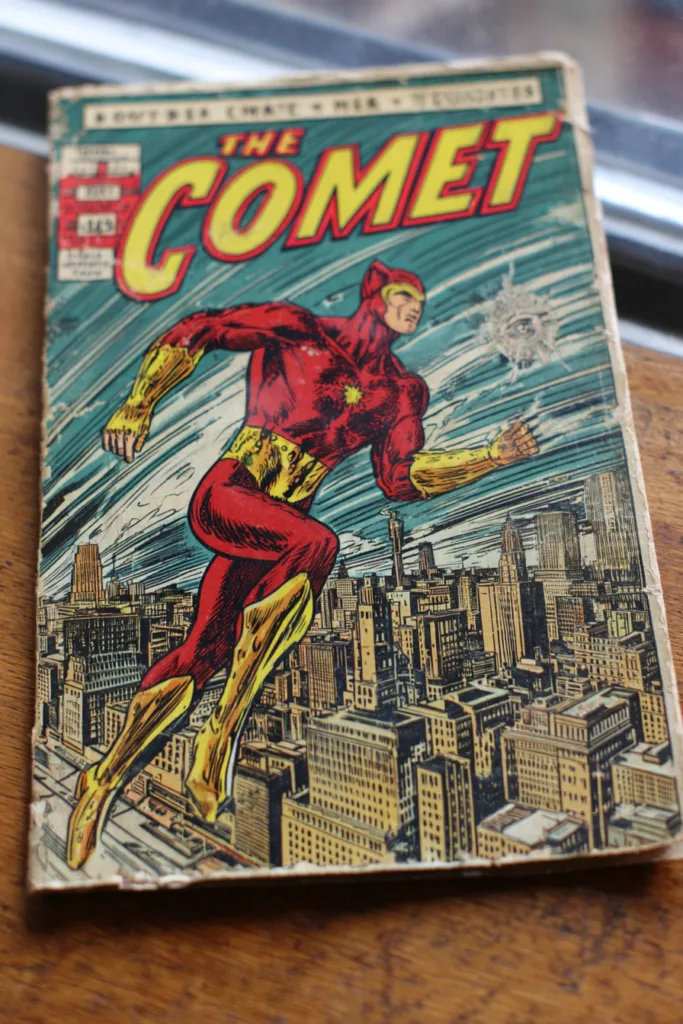
Asked for a 1940s Golden Age cover titled “THE COMET”, Magic Art went 4 for 4: halftone dots, worn newsprint and the title spelled right on every image. For style and mood, it’s hard to beat for the price.
1940s Golden Age comic book cover, four-color printing with visible halftone dots, an original masked hero in a red and gold costume leaping over a city skyline, bold hand-lettered title "THE COMET" across the top, small price box in the corner, faded worn newsprint paper with creased edges, vintage pulp printing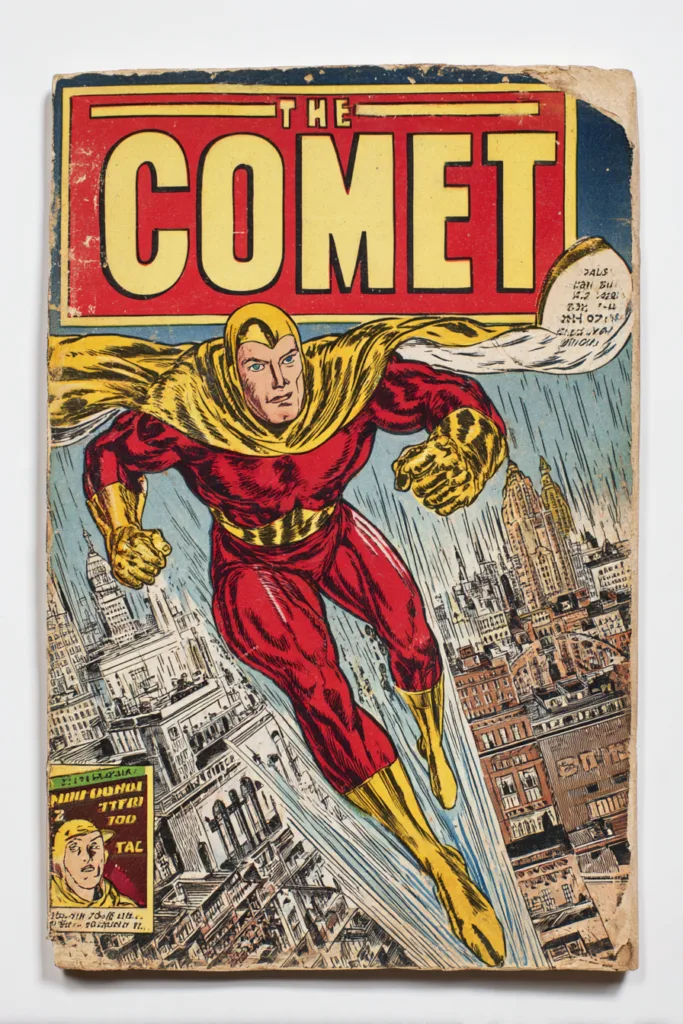
The verdict
- Use Magic Art for style and mood: vintage covers, posters, anime and film looks. It’s cheap and gives you 4 options per run.
- Switch to GPT Image 2 when specific objects have to be right: slabs, shops, signs and readable text. Per image it costs about 8 times more.
- With GPT Image 2, describe the subject first and spell out what must be invented. It follows instructions closely, including the ones you forget to write.
- Check every image for real characters and logos before you publish, whichever model you use.
See the winning prompts in full: The Comet: Slabbed Comic Product Shot and Isometric Comic Shop Diorama.